

Choosing the right coding and marking technology is a critical decision for manufacturers.Whether you're printing batch codes, expiry dates, barcodes, or traceability information, the technology you select will directly impact:
The challenge?
There is no one-size-fits-all solution.
Thermal transfer, laser marking, and inkjet coding each offer distinct advantages depending on your packaging type, production speed, and operational requirements.
This guide breaks down the key differences to help you choose the right solution for your production line.
1. Thermal Transfer (TTO)
Thermal Transfer Overprinting (TTO) uses a heated printhead and ribbon to transfer ink onto flexible packaging materials.
Best suited for:
Key Benefits:
Considerations:
2. Laser Marking
Laser coding uses a focused beam to etch or alter the surface of the packaging material, creating permanent marks without consumables.
Best suited for:
Key Benefits:
Considerations:
3. Continuous Inkjet (CIJ)
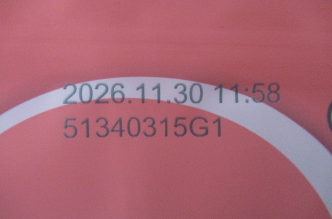
Continuous Inkjet printers spray microscopic ink droplets onto packaging surfaces to create codes.
Best suited for:
Key Benefits:
Considerations:
Feature
Thermal Transfer (TTO)
Laser
Continuous Inkjet (CIJ)
Best For
Flexible packaging
Rigid materials
Versatile applications
Print Quality
High resolution
Permanent marking
Good, varies by surface
Consumables
Yes (Ribbons)
No
Yes (Ink/make-up)
Maintenance
Low-moderate
Low
Moderate
Speed
High
Very high
Very high
Upfront Costs
Medium
High
Medium
Running Costs
Medium-high
Low
Medium
Flexibility
Low
Medium
High
Many manufacturers select coding systems based on initial cost or familiarity, rather than operational fit.Common mistakes include:
These missteps can lead to increased downtime, higher operating costs, and inconsistent code quality.

Selecting the right technology requires a broader evaluation of your production environment.
Key factors to consider:
The best solution is one that balances performance, reliability, and long-term cost efficiency.
Coding and marking systems are often overlooked — until they fail.
Poor coding decisions can result in:
The right technology ensures consistent performance, protects compliance, and supports efficient production.
At ALDUS Tronics, we work with manufacturers to assess their production lines and recommend coding solutions tailored to their specific requirements.
Rather than taking a one-size-fits-all approach, we focus on:
Not sure which coding technology is right for your operation? Our team can help assess your line and recommend the best-fit solution for your production environment.
FAQ: Which coding technology is best for packaging?
The best coding technology depends on the packaging material, production speed, and application requirements. Thermal transfer is ideal for flexible packaging, laser is best for permanent marking, and inkjet offers the most versatility across different substrates.
FAQ: Is laser coding cheaper than inkjet?
Laser coding typically has a higher upfront cost but lower long-term operating costs because it does not require consumables like ink or solvent.
FAQ: What is the most versatile coding system?
Continuous inkjet (CIJ) is considered the most versatile because it can print on a wide range of materials at high speeds.
.svg)

