

Learn how to identify the signs that your business is ready to automate the labelling process.
Manual labelling is often the starting point for new or growing manufacturers. It’s simple, low-cost, and flexible, until it isn’t. As production needs increase, manual processes can become slow, inconsistent, and expensive, turning labelling into one of the biggest constraints on your line.
If you’re noticing accuracy issues, rising labor costs, or delays caused by bottlenecks, it may be time to move from manual labelling to an automated labelling system.
Below are the five most important signs that your business is ready to automate, and the benefits you can expect when you make the switch.

Manual labelling relies heavily on operator judgement, and even the best-trained team can’t match the consistency of an automated applicator.
If Your Seeing:
Then automation immediately boosts quality and reduces waste. Automated labellers deliver precision placement on every product, no matter the speed or volume.

As order volumes increase, manual labelling becomes increasingly difficult to maintain. Hiring additional operators is not only costly, it can be hard to scale reliably.
Automation Helps When:
An automated labelling system can often replace the manual workload of multiple operators, allowing you to redeploy your workforce to higher-value tasks.
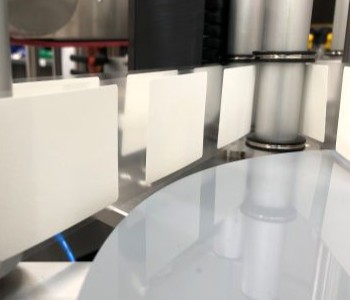
Human error is natural, but in production, it’s costly. Misapplied labels, missed labels, incorrect SKUs, and fatigue-related mistakes can all lead to delays, rework, or even customer complaints.
An Automated Labeler Ensures:
If your line is frequently stopping to fix labelling mistakes, automation provides immediate ROI.
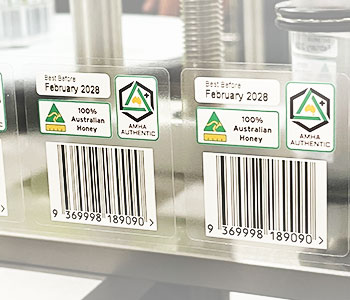
Industries like food, beverage, cosmetics, nutraceuticals, and chemicals often require precise, traceable labelling, including lot codes, expiry dates, regulatory statements, and barcode accuracy.
Manual labeling Introduces Risk:
Automated systems integrate seamlessly with printers, vision inspection, and data capture, ensuring every label meets compliance and traceability requirements.
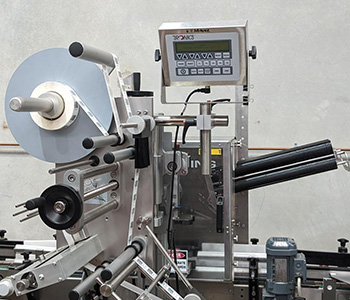
If your operators are moving between labelling, packing, inspection, and machine oversight, manual labelling is likely absorbing too much of their time and attention.
Automation Helps By:
The result is a smoother, more efficient production environment.
Making the move to automation delivers advantages quickly:
✔ Faster Throughput
Automated label applicators keep up with continuous production speeds.
✔ Better Consistency and Quality
Precision sensors and controls ensure perfect placement every time.
✔ Lower Long-Term Costs
Reduced labor dependency, fewer rejects, and minimised rework.
✔ Seamless Integration
Modern systems can be added to existing conveyors, printers, and inspection technology.
✔ Scalable for Growth
As you add new SKUs, increase volume, or expand capabilities, automated systems grow with you.
Aldus Tronics New Zealand provides labelling systems designed for every stage of production, with the flexibility to match your product, pace, and line layout.
Manual labelling works for small batches, but once you hit a certain level of production, automation becomes essential for maintaining efficiency, quality, and profitability. If you’ve noticed any of the signs above, your business may be ready to take the next step.
Modern labelling automation not only eliminates bottlenecks, it transforms your production line into a more reliable, scalable, and cost-effective operation.
If you’re ready to explore how labelling automation can improve efficiency and reduce costs, contact Aldus Tronics.
Our experts can help assess your current process and recommend the right automated labelling system for your production line.
.svg)

